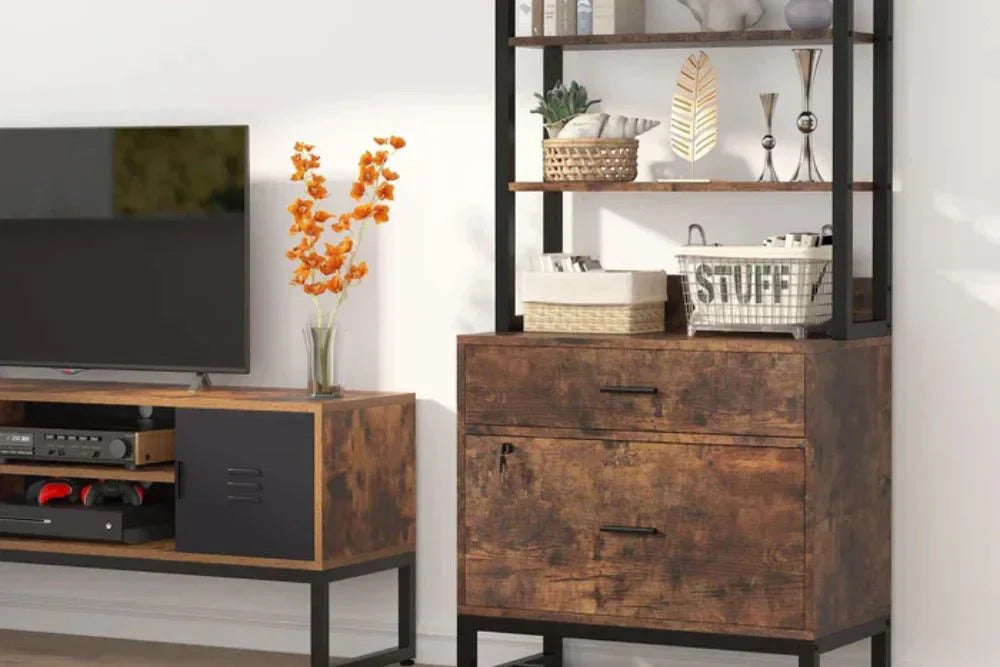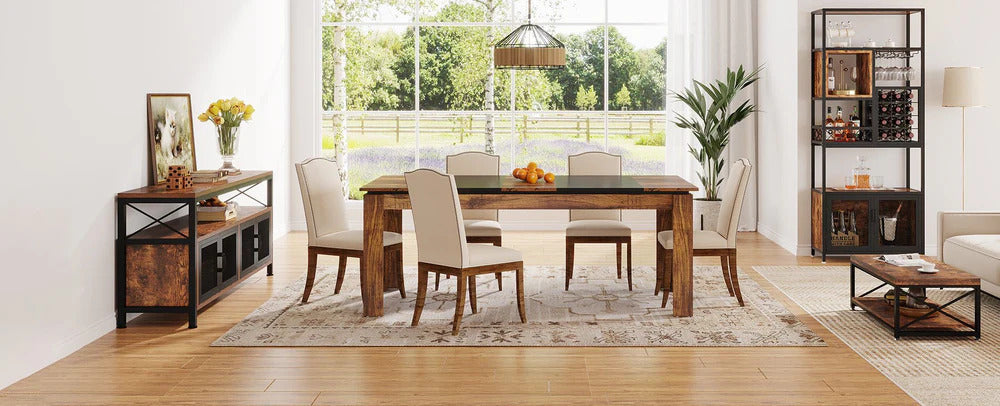


Unlike a display cabinet that’s rarely touched, a console table is one of the hardest-working pieces in your home. It’s constantly exposed to hands, keys, bags, dust, and changes in indoor climate. Over time, neglect does more than dull the surface—dust behaves like fine sandpaper, and dry indoor air can cause solid timber to shrink or crack. Spending just a few minutes each week on proper care helps preserve both the look and structure of your furniture.
Before applying any liquid or polish, identify how your console table is made. Most furniture falls into one of three construction types, and each requires a different care approach.
Different wooden console tables need different maintenance, depending on the material and surface finish.
How to Maintain and Clean Solid Wood Console Tables
Solid timber is a natural, living material. It expands and contracts with changes in temperature and humidity, which means it needs consistent care to prevent warping or cracking. Check the underside or edges—if the wood grain continues seamlessly, your table is likely solid wood. While more sensitive to climate, it can be sanded and refinished if damaged.
Cleaning Routine
Dust weekly using a slightly damp microfibre cloth, always wiping in the direction of the wood grain to avoid fine scratches. For stubborn dirt, mix one drop of mild dishwashing liquid into a bowl of warm water. Wipe gently, then dry immediately with a clean cotton cloth to prevent moisture absorption.
Long-Term Care
Solid timber benefits from regular conditioning. Apply a high-quality wood conditioner or natural oil every six months to prevent dryness caused by air conditioning or heating. This helps restore depth of colour and protects the wood fibres. Deep scratches or stains can usually be repaired through light sanding and refinishing.

How to Maintain and Clean Wood Veneer Console Tables
Wood veneer is a thin layer of real timber bonded to a stable core such as MDF. It’s popular in modern and mid-century styles but is less forgiving than solid wood. Excess moisture can weaken the adhesive and cause bubbling or lifting, and aggressive sanding is not an option.
Cleaning Routine
Keep moisture to a minimum. Use a dry duster or a cloth that’s barely damp. Pay special attention to edges, where water can seep in and cause the veneer to lift. Never allow spills or liquids to sit on the surface—even briefly.
Long-Term Care
Focus on protection rather than nourishment. Veneer doesn’t absorb oils well, so avoid heavy waxes that leave residue. Place felt pads under décor items to prevent pressure marks or scratches. Because the veneer layer is so thin, deep damage cannot be sanded out.

How to Maintain Finished Wood Console Tables
Run your hand over the surface. A smooth, slightly glossy feel usually indicates a lacquer or polyurethane finish, which offers good spill resistance. A more matte, textured surface often means an oil or wax finish, which requires regular conditioning.
Cleaning Routine
Take advantage of the protective finish. Use a dedicated wood surface spray or a mild soap-and-water solution to remove fingerprints and grease without dulling the surface.
Long-Term Care
Preserve the clarity of the protective coating. Avoid furniture polishes that contain silicone, as they can create a cloudy build-up over time. Buff the surface monthly with a dry, lint-free cloth to maintain a clean, even sheen.
The Essential Cleaning Kit
Professional-looking results come down to using the right tools. Avoid “all-purpose” sprays, which often contain waxes or silicone that attract dust.
-
Cloths: Lint-free microfibre cloths or old cotton T-shirts
(Paper towels can scratch softer timbers.) - Cleaner: A drop of mild dishwashing liquid in warm water for general cleaning
- Conditioners: Natural wood conditioners or eco-friendly wood cleaners for routine care
- Avoid: Bleach, ammonia, and glass cleaners—these damage finishes and permanently discolour timber
Solving Common Console Table Problems
Everyday accidents happen, but many minor issues can be fixed at home.
White Water Rings
These cloudy marks form when moisture is trapped under the finish. Use a hair dryer on low heat, moving it gently over the area for a few minutes. The heat releases the trapped moisture and clears the mark.
Sticky Residue
Tape or stickers can leave behind residue. Apply a small amount of mineral oil to a cloth and rub gently until the adhesive lifts. Clean the area afterwards with mild soap to remove any oily film.
Surface Scratches
Shallow scratches can often be disguised by rubbing the meat of a raw walnut into the mark. The natural oils help blend the damage. For darker timbers, a furniture touch-up pen can also work well.
Sun Fading
Australian sunlight is particularly strong and can fade timber over time. Rotate decorative items monthly to prevent uneven colour changes where parts of the surface are shielded.

Everyday Lifestyle Tips
Preventive care saves time and protects your investment.
- Use felt pads: Attach felt pads to lamps, trays, and ceramic décor to prevent fine scratches
- Coasters and trays: Designate a tray for keys, drinks, or umbrellas to keep moisture off the wood
- Avoid heat sources: Don’t place console tables near heaters, vents, or fireplaces—dry heat can cause cracking
- Control humidity: Aim for indoor humidity around 40–50%, especially during dry seasons, to keep timber stable

Conclusion
These care techniques apply not only to console tables, but to most wooden furniture in your home. With gentle, consistent maintenance, timber pieces retain their beauty and strength for years. In most cases, regular dusting and mindful use are all that’s needed to keep surfaces looking their best.
More Australian households are choosing durable, well-made furniture they can live with long term rather than replacing cheaper items frequently. Proper care supports this shift towards sustainability. Well-maintained wood furniture develops character over time and avoids unnecessary waste.
Tribesigns console tables are designed with longevity in mind—solid construction, thoughtful finishes, and timeless design. With simple, everyday care, they’re made to last and to remain a meaningful part of your home.
Frequently Asked Questions
Can I use glass cleaners on my wood console table?
No. Glass cleaners often contain ammonia, which damages wood finishes and causes discolouration over time. Always use pH-neutral soap or a dedicated wood cleaner.
How often should I wax my console table?
Once or twice a year is usually enough. Over-waxing leads to sticky build-up that attracts dust.
Is vinegar safe for cleaning wood furniture?
Vinegar is acidic and can damage finishes if used too strong. If you prefer natural cleaning, dilute it with water and dry the surface immediately.
Why does my solid wood table develop small cracks in winter?
This is known as seasonal movement. Dry indoor air causes timber to lose moisture and shrink. Maintaining indoor humidity above 40% helps prevent cracking.