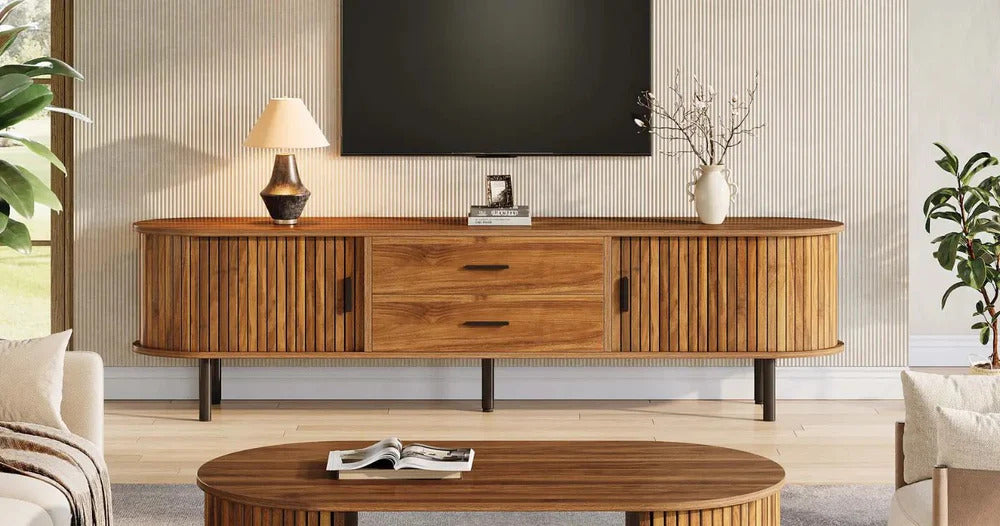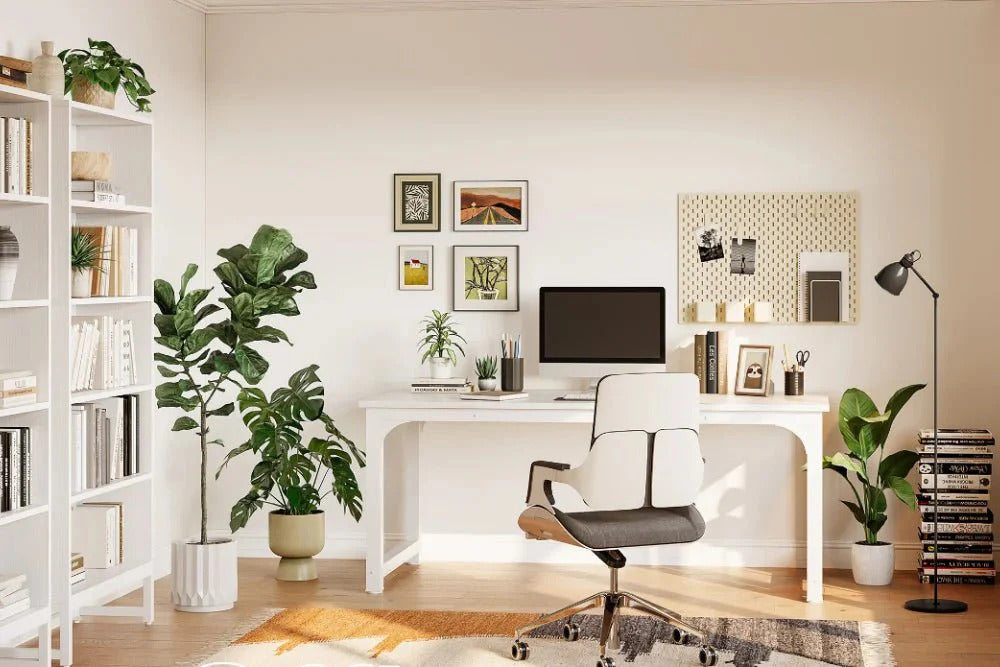


Unlike solid timber, engineered wood isn’t cut directly from a tree trunk. Instead, it’s crafted from wood fibres, chips, strands, and veneers that are bonded together through high-pressure manufacturing. This process creates strong, stable, and economical boards that maximise timber resources and significantly reduce waste.
From budget-friendly furnishings to high-end custom cabinetry, engineered wood features everywhere in modern Australian homes—from flooring and wall cladding to wardrobes and kitchen joinery.
What Is Engineered Wood?
Engineered wood refers to a broad category of timber-based products created by binding wood strands, fibres, particles, or thin veneers with adhesives under heat and pressure. Rather than being a single-piece board like solid timber, engineered wood is a highly designed composite material that delivers:

- Enhanced dimensional stability — less swelling or shrinking as humidity changes.
- Efficient material use — incorporating recycled fibres, small offcuts, and fast-growing species.
- Versatility — available in various thicknesses, grades, and surface finishes.
- Cost-effectiveness — generally more affordable and consistent than solid hardwood.
Its engineered structure gives it predictable performance, making it one of the most widely used materials in contemporary furniture manufacturing.
Pros and Cons of Engineered Wood
Pros
Enhanced Stability – Performs better than many solid timbers when it comes to resisting warping, cracking, or seasonal movement.
Resource Efficiency – Uses leftover fibres, chips, and recycled materials, reducing environmental waste.
Design Flexibility – Can be finished with veneer, melamine, laminate, or paint to achieve a wide range of looks.
Consistent Quality – Manufactured to uniform thickness and density.
Affordable – Offers great value, often delivering high performance at a lower price than hardwood.
Cons
Moisture Sensitivity – MDF and particle board can swell or weaken when exposed to water.
Lower Durability in High-Wear Areas – Heavy-use surfaces may benefit from solid timber or premium-grade plywood.
Chemical Content – Some boards contain adhesives that release small amounts of VOCs; this varies by manufacturer.
Limited Sanding & Refinishing – Most engineered boards cannot be refinished like solid timber.
Weight – Higher-density boards like HDF or LVL can be heavy and harder to handle.
Engineered wood’s combination of stability, affordability, and design versatility makes it a favourite across the furniture industry. Many Tribesigns products—such as shoe storage units, console tables, and pantry organisers—use premium E0-grade MDF or plywood for better durability and finish.
Types of Engineered Wood
The furniture and cabinetry industries rely on a wide variety of engineered boards. Below are the 10 most common types and their ideal uses.

1. Laminated Veneer Lumber (LVL)
Made from many thin wood veneers stacked with grains running in the same direction.
- Strengths: Exceptional load-bearing capacity, stable, uniform.
- Uses: Dining table bases, cabinet frames, sofa structures.
2. Laminated Strand Lumber (LSL)
Made from long wood strands compressed under heat.
- Strengths: Strong, reliable, great for hidden structural components.
- Uses: Wardrobe posts, bookshelf supports.
3. Oriented Strand Board (OSB)
Created by layering wooden strands in alternating directions.
- Strengths: Cost-effective, stable, available in large panels.
- Uses: Wardrobe backs, bed bases, sub-panels (usually covered for a clean finish).
4. Plywood
Veneer sheets glued together with grains running crosswise.
- Strengths: Extremely stable, resistant to warping, ideal for decorative finishes.
- Uses: Cabinet doors, tabletops, wall panels.
5. Medium-Density Fibreboard (MDF)
Fine fibres pressed into dense sheets.
- Strengths: Smooth surface ideal for painting and laminates, economical.
- Uses: Cabinet doors, decorative mouldings, shelving.
For example, our Tribesigns shoe racks and console tables use premium thickened MDF for a flawless finish and enhanced durability.
6. Particle Board
Made from wood chips and sawdust pressed together.
- Strengths: Lightweight, affordable.
- Uses: Bookshelves, desk tops, wardrobe interiors.
7. High-Density Fibreboard (HDF)
A denser, stronger version of MDF.
- Strengths: Durable, high impact resistance, better moisture performance.
- Uses: Flooring base, sturdy cabinet doors.
8. Composite Board
A combination of materials such as MDF, particle board, or wood-plastic composites.
- Strengths: Can be customised for moisture resistance or weight.
- Uses: Outdoor furniture, multifunctional cabinets.
9. Cross-Laminated Timber (CLT)
Thick timber planks stacked crosswise and glued—like plywood at architectural scale.
- Strengths: Extremely strong, eco-friendly.
- Uses: Oversized tables, architectural panels.
10. Parallel Strand Lumber (PSL) / I-Joists
Wood strands aligned in parallel for high strength.
- Strengths: Excellent strength-to-weight ratio.
- Uses: Long-span table bases, bed frames.
Comparison Table
| Type | Description | Pros | Cons | Common Furniture Uses |
| LVL | Veneer layers with aligned grain | Strong, stable | Higher cost | Frames, legs, cabinet supports |
| LSL | Wood strands compressed | Durable, stable | Needs veneer for appearance | Hidden supports |
| OSB | Cross-oriented strands | Cost-effective | Rough surface, dislikes moisture | Wardrobe backs, bases |
| Plywood | Cross-laminated veneers | Strong, smooth options | Premium grades cost more | Cabinets, tables, panels |
| MDF | Fine fibres bonded | Smooth, good for paint | Not water-resistant | Doors, shelves |
| Particle Board | Wood chips & sawdust | Very affordable | Low strength, moisture-sensitive | Budget furniture |
| HDF | High-density fibreboard | Strong, moisture-resistant | Heavy | Flooring base, heavy-duty doors |
| Composite Board | Multi-material blend | Customisable | Quality varies | Outdoor or hybrid furniture |
| CLT | Cross-layered timber panels | Very strong | Expensive | Large tables, room dividers |
| PSL / I-Joists | Parallel wood strands | Excellent strength | Not decorative | Spans in large furniture |
Best Uses for Engineered Wood

- Furniture – MDF, plywood, LVL in tables, shelves, cabinets.
- Joinery & Cabinetry – Plywood and HDF for kitchen and wardrobe systems.
- Flooring – Engineered wood flooring is popular for its stability.
- Wall Panelling – Veneered plywood for decorative interiors.
- Structural Work – LVL, LSL, PSL for supporting frames.
- Budget Projects – Particle board for affordable shelving or desks.
- Outdoor Settings – Composite boards for moisture resistance.
FAQ
Is Engineered Wood Good?
Yes. High-grade engineered boards can be strong, stable, and visually appealing. Many premium furniture brands in Australia use E0-grade MDF or plywood for their low emissions and durability.
What Is Engineered Wood Furniture?
Furniture made from wood-based panels such as MDF, particle board, plywood, or composite boards—offering consistent performance and flexible designs.
What Is the Best Waterproof Engineered Wood Flooring?
Look for flooring with a waterproof top layer and an HDF or marine-grade plywood core. Some premium options use hybrid or composite cores for full waterproofing.
Conclusion
Whether you’re selecting affordable storage solutions or designing a high-end interior, understanding engineered wood helps you choose the right material for durability, stability, and sustainability.
At Tribesigns, we prioritise quality engineered wood—using E0-grade MDF, sturdy plywood, and responsibly sourced materials to craft furniture that looks stylish, performs well, and lasts.
Engineered wood strikes the ideal balance between design, function, and environmental responsibility—making it one of the smartest choices for modern Australian homes.